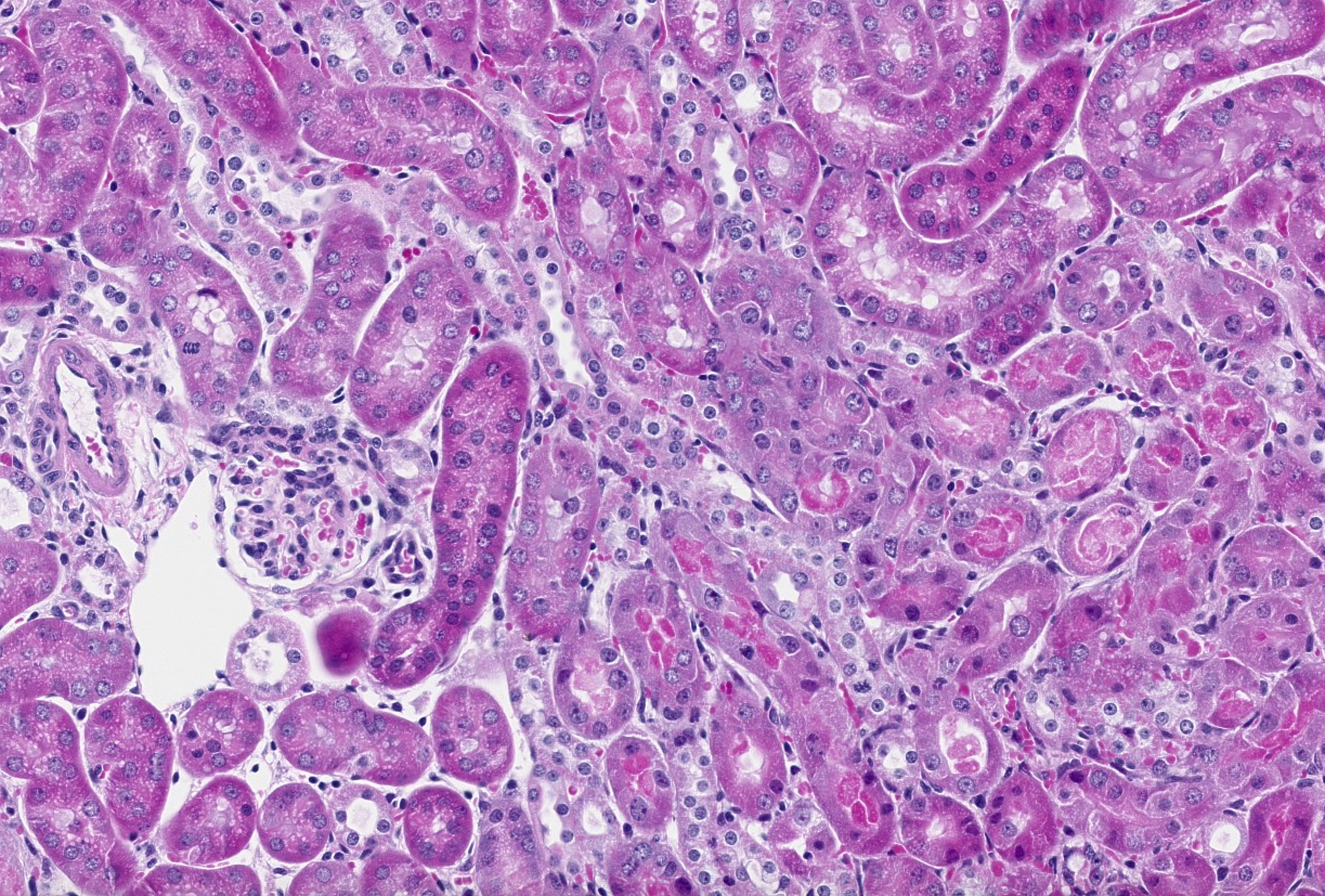
Models of acute kidney injury (AKI) including ischemia-reperfusion injury, anti-GBM nephritis, and folic acid- and sepsis-induced injury.


Our mission is to accelerate the development of novel therapies to treat kidney disease by combining scientific excellence with robust and reproducible preclinical models.
We provide high-quality, cost-effective in vivo and ex vivo models for investigating acute and chronic kidney diseases, including diabetic nephropathy. Studies are conducted at an AAALAC-accredited animal research facility affiliated with Karolinska University Hospital.
We combine established experimental models with access to advanced research platforms, including in vivo imaging, single-cell and bulk RNA sequencing, spatial transcriptomics, proteomics, super-resolution and light-sheet microscopy, and AI-assisted image and data analysis.
Based in the Stockholm life sciences ecosystem, our laboratories and offices are located at the Karolinska campus in Solna, close to a broad network of biotechnology and pharmaceutical companies.
Models of acute kidney injury (AKI) including ischemia-reperfusion injury, anti-GBM nephritis, and folic acid- and sepsis-induced injury.
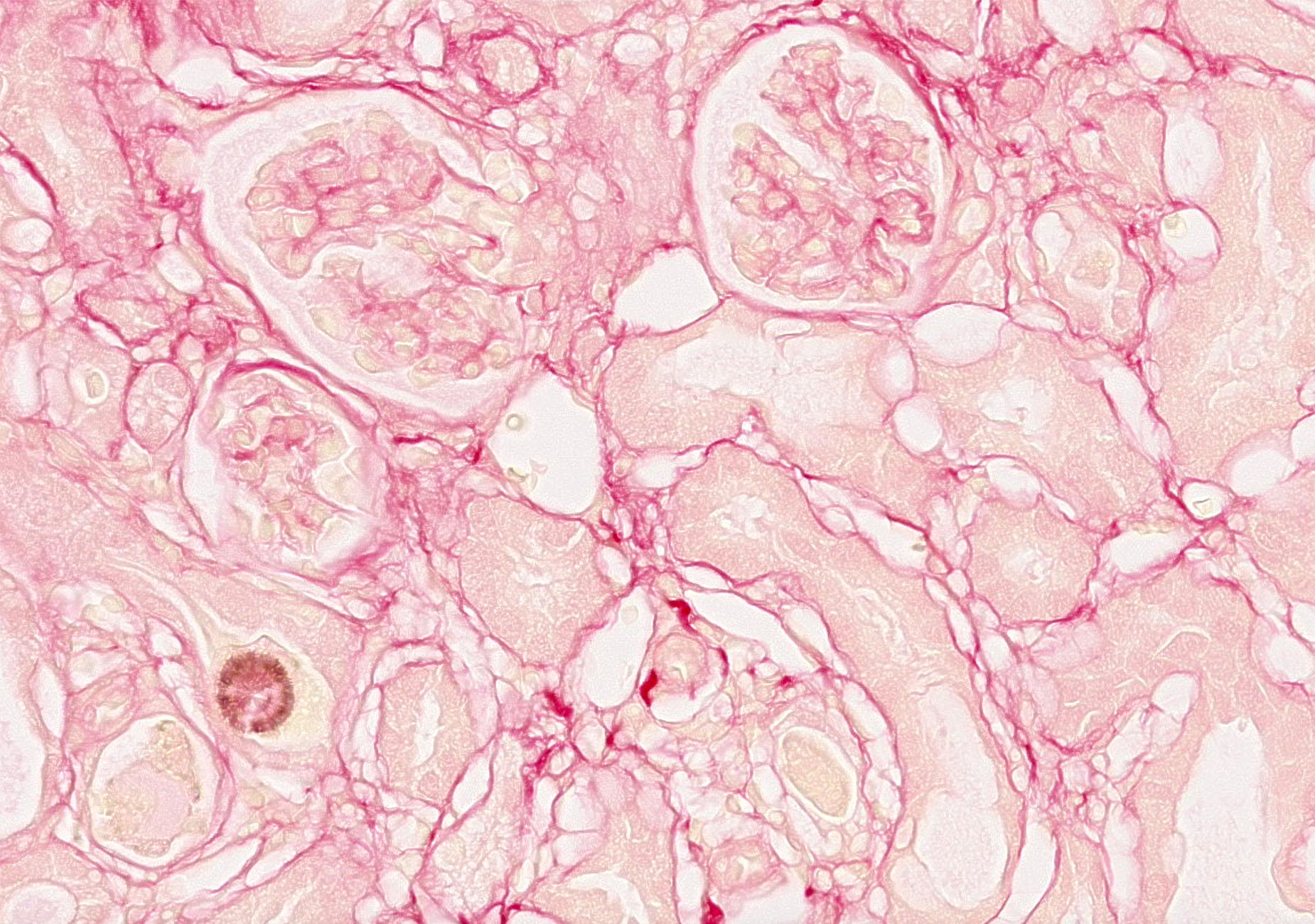
Models of chronic kidney disease (CKD) including adenine-induced nephropathy, 5/6 nephrectomy, unilateral ureter obstruction and Col4a3 knockout Alport syndrome.
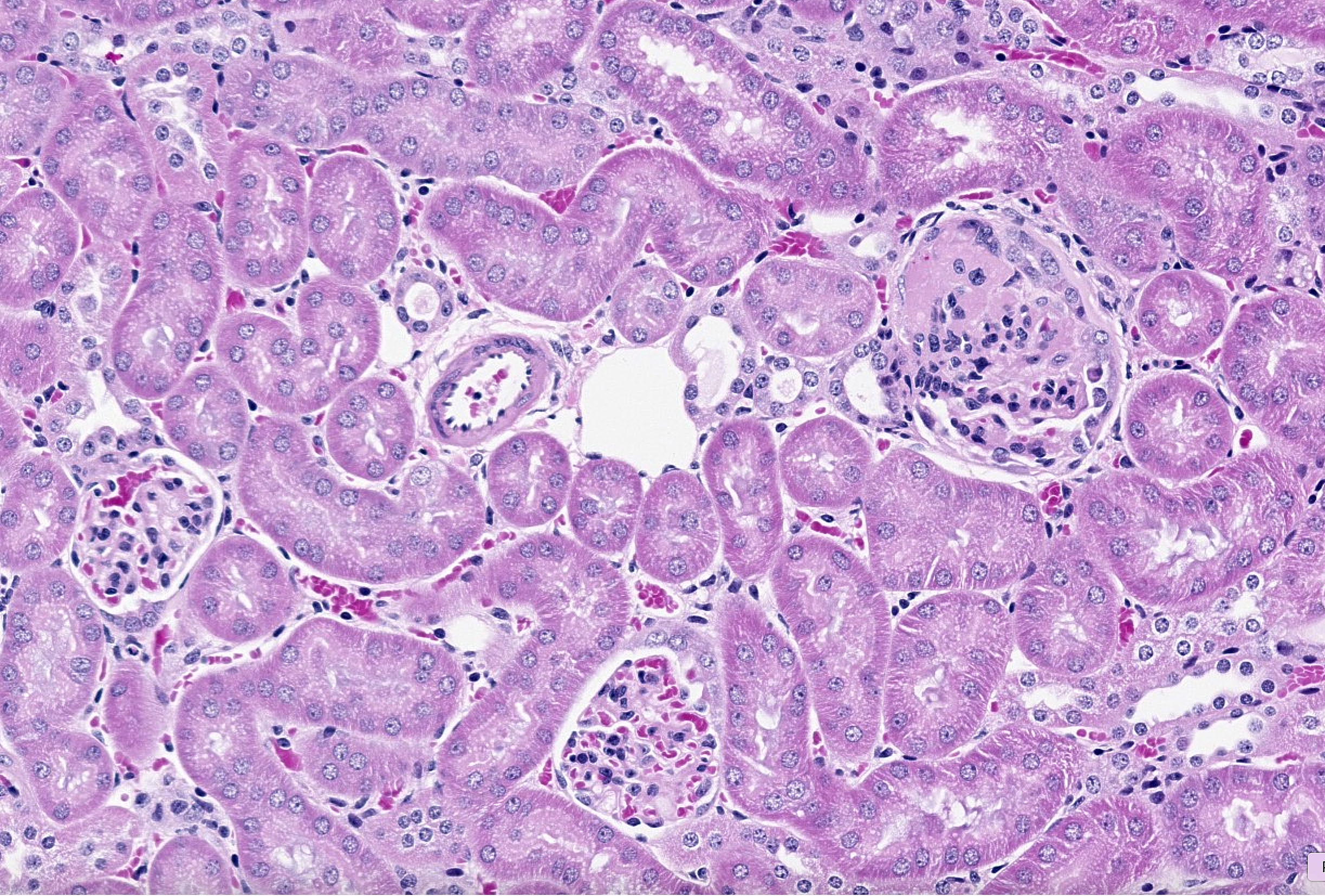
Models of diabetic nephropathy (DN) including STZ-induced type 1 diabetes and the ReninAAV, unilateral nephrectomy, db/db model of accelerated type 2 diabetes.
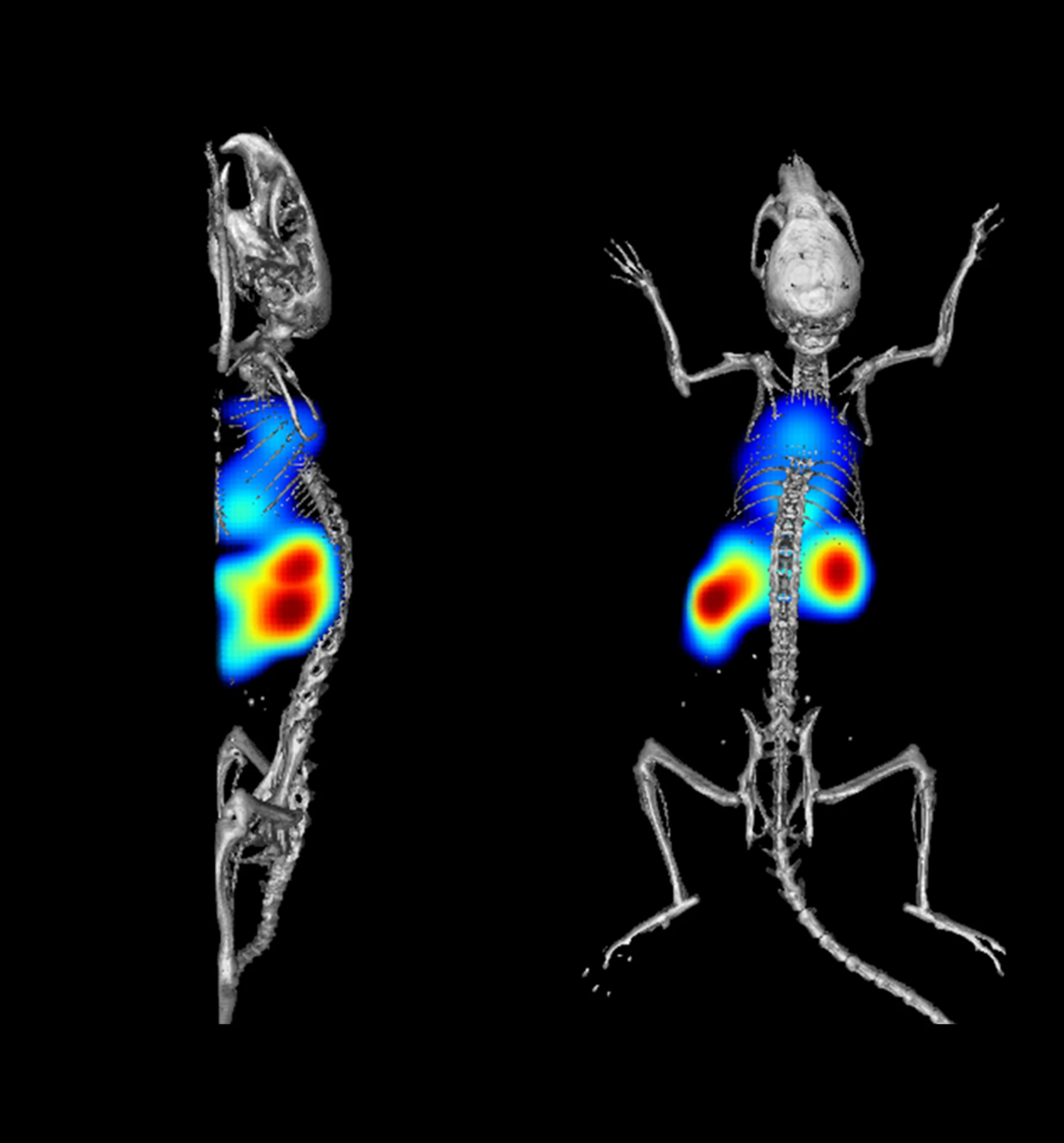
State-of-the-art preclinical imaging with the Preclinical Imaging Facility at KI: IVIS, microCT, ultrasound, PET/MRI and MPI. Image by Preclinical Imaging South Core Facility
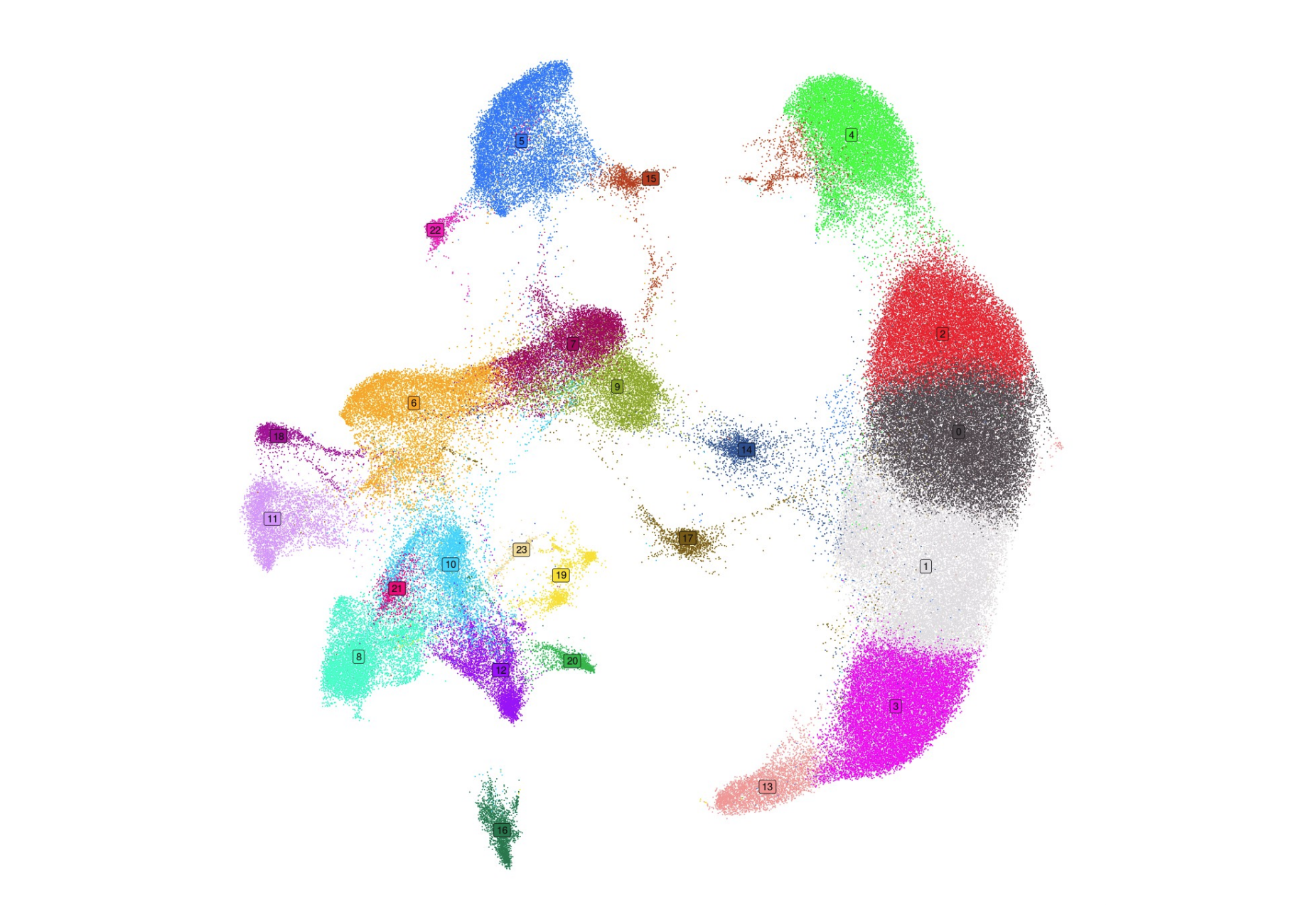
Bulk and single cell RNA sequencing and spatial transcriptomics via KI core facilities and SciLifeLab.
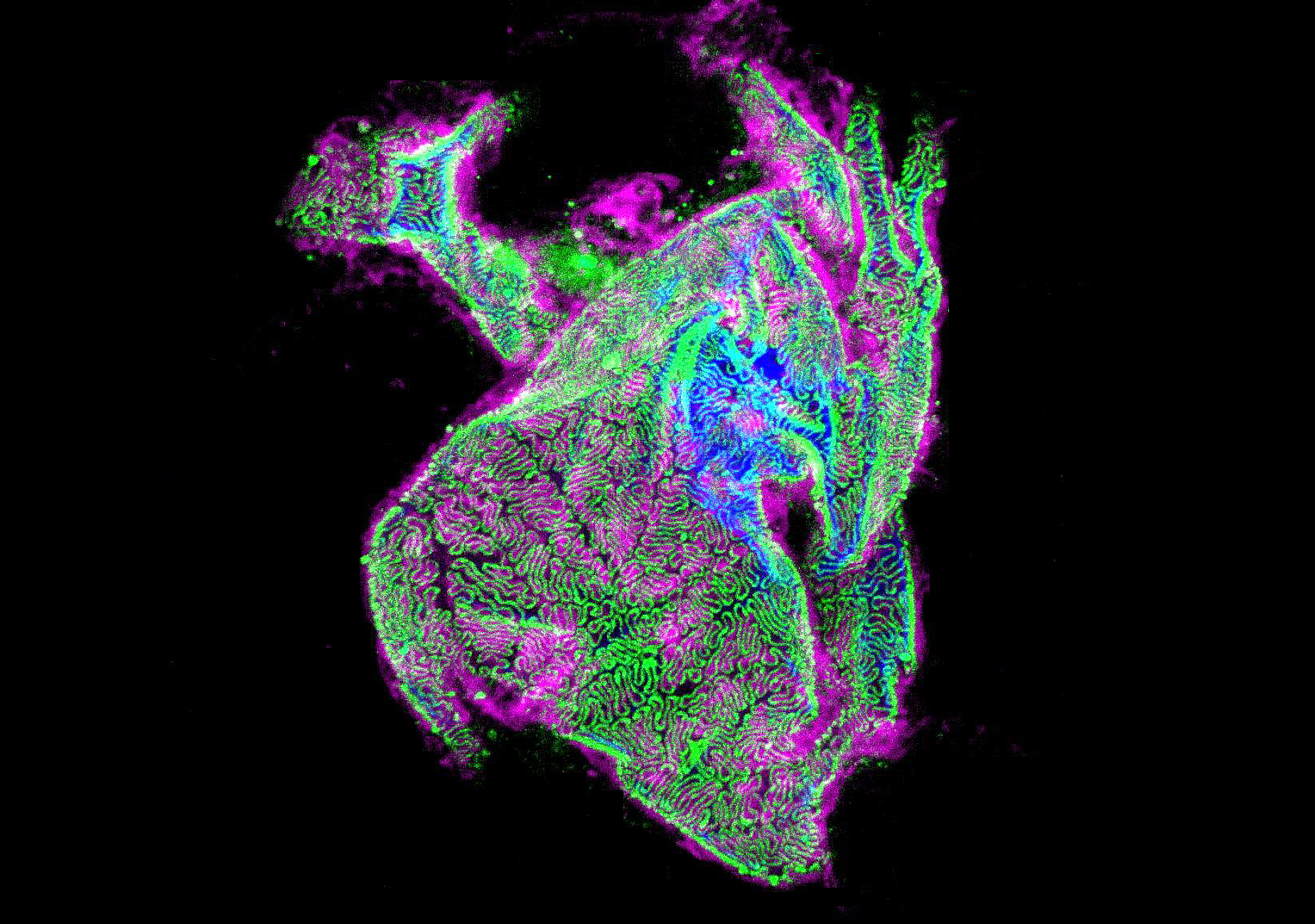
Super-resolution microscopy and AI-assisted histology analysis through our collaborations with Magnephy and Aiosyn.
14 validated models, each with its own study design, timeline and readout package.
AKI
Ischemic, inflammatory and nephrotoxic models of acute kidney injury, with readouts from early tubular stress to maladaptive repair.
CKD
Progressive models of tubulointerstitial and glomerular disease, covering fibrosis, proteinuria and mineral bone disorder.
DN
Type 1 and accelerated type 2 diabetic kidney disease models with albuminuria and structural glomerular endpoints.
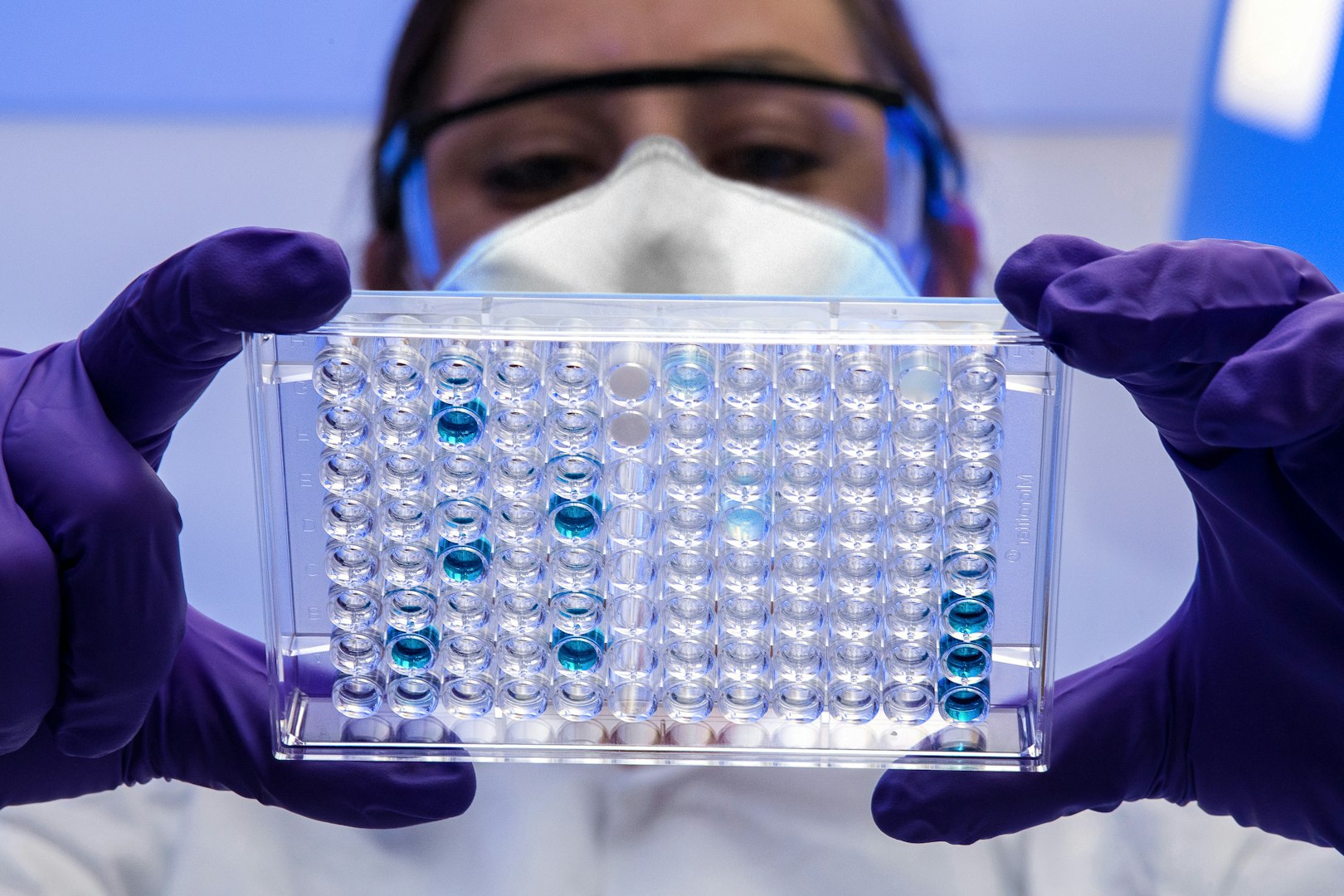
Alvolab (from the Portuguese word 'Alvo', meaning 'Target') is a contract research organization specialized in preclinical studies of kidney disease. Founded in 2023 as a spin-off from Karolinska Institutet, our team brings over 30 years of experience in translational kidney research from leading academic institutions including Harvard Medical School, Karolinska Institutet and Uppsala University, as well as from the pharmaceutical industry.
We combine scientific excellence with robust and reproducible preclinical models, so that decisions about your programme rest on data you can trust.
Meet the team →“We are pleased to collaborate with Alvolab, whose broad range of kidney disease models and deep expertise in relevant assays and readouts have been invaluable to our preclinical studies. We also greatly appreciate their clear communication and collaborative approach. We highly recommend Alvolab for their reliable, high-quality preclinical CRO services.”

Jenny van Asbeck-van der Wijst
Ph.D., MBA, CEO Mercurna
“We've partnered with Alvolab on several preclinical kidney disease programs and have been consistently impressed by the scientific quality and reliability of their work. Their broad expertise and cost-effective services make them a trusted partner. I highly recommend them to any company working in nephrology.”

Tobias Larsson Agervald
M.D., Ph.D., CEO Guard Therapeutics
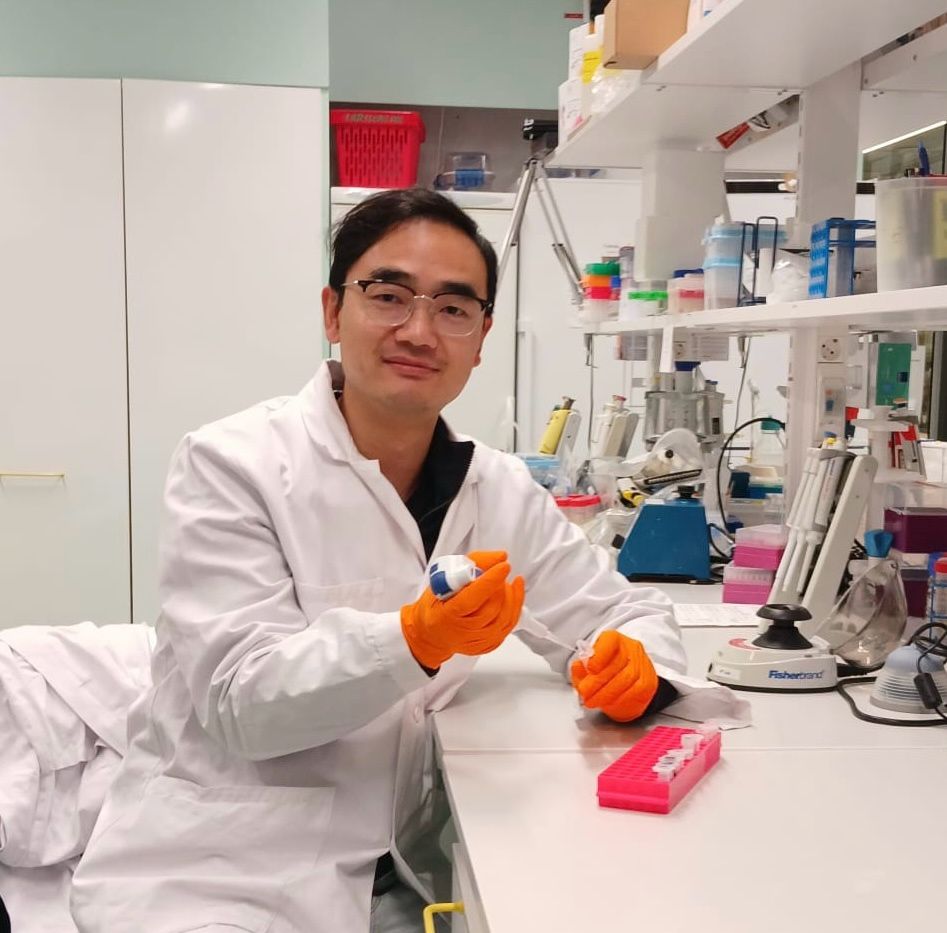
2 October 2026 · Company
We are strengthening our capacity and expertise by welcoming Yi Jin, Ph.D., who brings over 20 years of biomedical and preclinical research experience.
21 September 2026 · Science
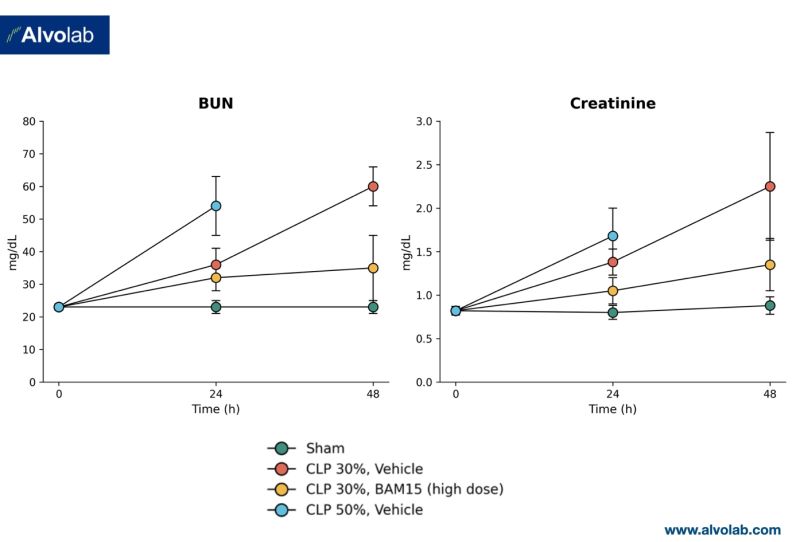
Together with a pharma collaborator we systematically tested the cecal ligation and puncture model in mice — ligation length, antibiotics, fluids and reference compounds.
25 August 2026 · Events
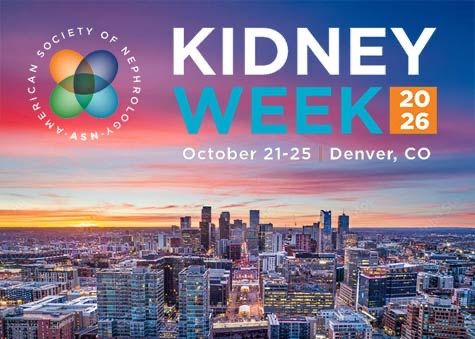
We will present our work on deep phenotyping of serial kidney biopsies in nephrotoxic serum-induced glomerulonephritis on 22 October, 10:00 AM-12:00 PM.
Tell us about your compound and your target indication, and we will propose a study design with the models and readouts that fit your programme.